- Bathroom RemodelingTubs, vanities, tile and fixtures
- Showers & Glass DoorsWalk-in showers, benches and glass doors
- Niches & Accent TileShower niches, mosaics and borders
- Kitchen RemodelingBacksplashes, floors and full kitchens
- Tile FloorsKitchens, baths, entries and patterns
- Custom Tile WorkPatterns, borders and one-off details
- PaintingWalls, ceilings, trim and doors
- CarpentryTrim, doors, framing and built-ins
- Full RemodelsEvery room, start to finish
- Outdoor PatiosStone and tile patios
Plaster or drywall: repairing walls in an older Massachusetts home.
How to tell which one you have, when old plaster is worth saving, and what covering it with drywall really involves.
Updated November 2026. The sources are at the end of the page.
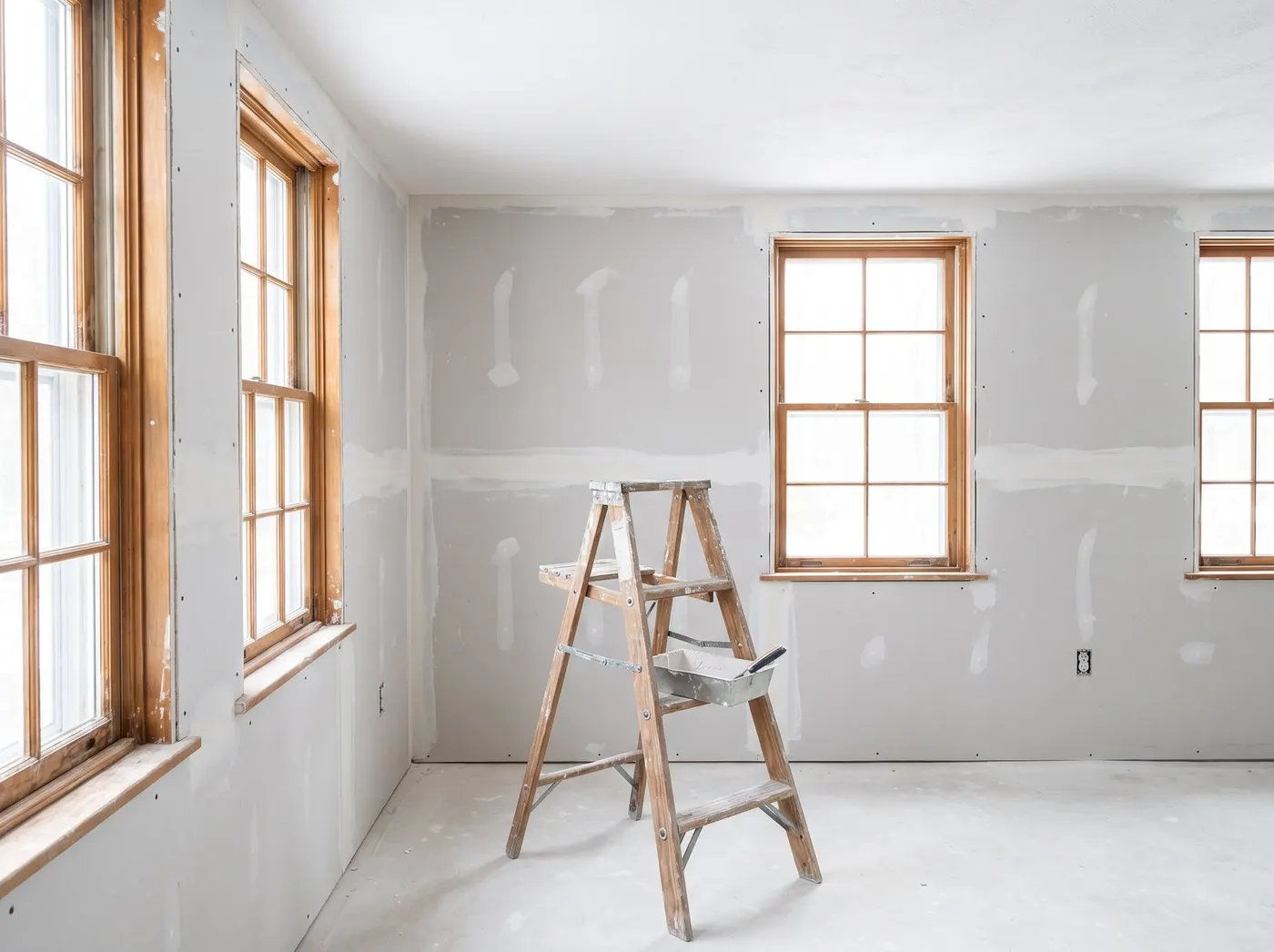
The short answer
Sound plaster is worth repairing.
Most houses built before the 1940s have plaster walls, and plaster that is still holding to its lath is usually worth keeping. The National Park Service notes that three coat plaster is unmatched in strength and durability, resists fire, cuts sound between rooms, and is often less damaged than it first looks. Cracks can be filled and taped, loose areas screwed back with plaster washers, and the wall skim coated smooth.
Replace it, or cover it, when it is crumbling, soaked by a long leak, or cracked all over. Thin drywall over the old plaster is one option, but it moves the wall surface out against the trim and the outlets. If the house was built before 1978, the paint on that plaster is treated as lead paint until a test says otherwise.
How to tell
Plaster or drywall: three checks.
- The age of the house. Plaster was the wall finish in nearly all buildings until the 1930s or 1940s. Rock lath (gypsum board made to take plaster) appeared as early as 1900 and was used almost everywhere in houses by the late 1930s, so a wall can be plaster even where the back of it looks like board.
- Look behind it. Where the back of a wall or ceiling shows, usually from the attic, wood strips (lath) with plaster pushed through the gaps and hardened behind them mean plaster.
- The thickness. Traditional three coat plaster is two base coats of about 3/8 inch each and a finish coat of about 1/8 inch. Drywall is a single sheet of gypsum faced with paper.
Why it cracks
What the cracks are telling you.
Plaster holds to wood lath by its keys: the wet plaster pushed through the gaps between the strips and hardened behind them. Most plaster trouble comes from those keys breaking, or from movement in the house.
- Diagonal cracks starting at the corner of a door or window are usually stress cracks from loads on the wall. Cracks running diagonally in opposite directions point to the house settling.
- Horizontal cracks are often lath movement: wood lath swells and shrinks as the humidity rises and falls, so these cracks can come back every year.
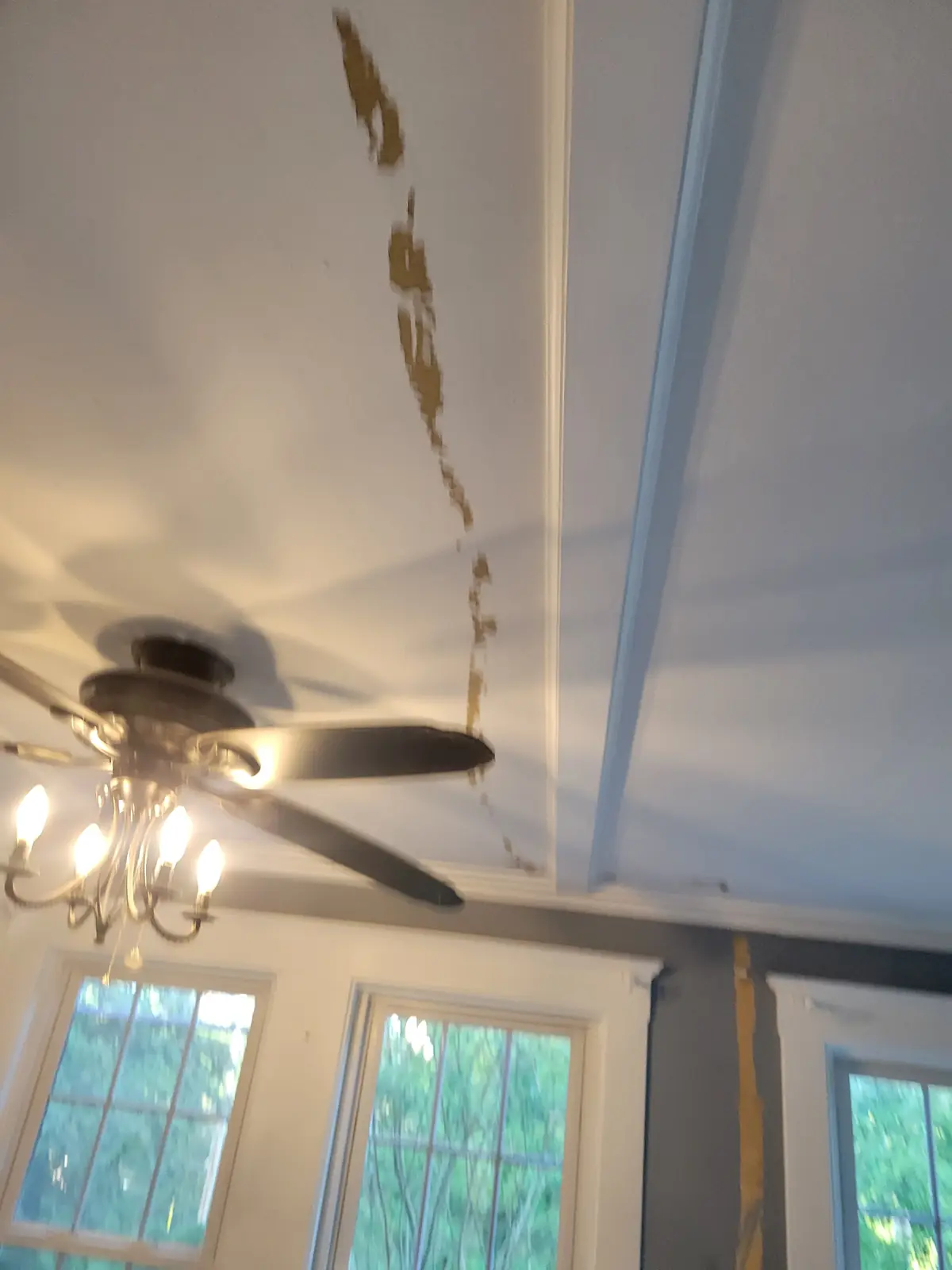
- Loose or bowed plaster has lost its keys. On a ceiling, left alone, gravity eventually brings chunks down.
- Stains, soft or crumbling plaster mean water. The leak has to be fixed and the wall dry before any repair, or the repair fails again.
Repair
Cracks, loose plaster and holes.
The National Park Service brief on repairing historic plaster describes the repairs in order of size:
- Hairline cracks. Not a serious concern when the plaster around them is sound. They are filled with a patching material.
- Cracks that keep coming back. The crack is widened slightly, filled, then bridged with fiberglass mesh tape set in quick setting joint compound, covered with more coats and lightly sanded.
- Loose plaster. If the plaster around it is in good shape, the loose area is screwed back to the lath with flat head wood screws and plaster washers. The brief shows this done on the ceiling of an 18th century house in Massachusetts. Plaster washers flatten as they tighten, drawing the plaster back without new cracks.
- Holes. Metal lath is fixed over the old wood lath and the hole is built back up in layers of plaster.
- Structural cracks. When a crack comes from the framing, the framing is fixed first.
The washers and taped cracks are then skim coated: thin coats of compound or plaster over the whole area so the repair disappears. On walls where a repair would show, a careful contractor skims the entire wall so it all reads as one surface.
Repair or replace
When old plaster is worth keeping.
The National Park Service recommends keeping historic plaster whenever possible, and points out that replacing it is expensive. Removal makes sense when the plaster is badly damaged, especially by long term moisture, or when a weak, sandy mix is crumbling and falling apart in layers.
Between patching and tearing out there are middle options:
- New lath over a ceiling. A ceiling too cracked to patch or sagging, but not wet, can be furred out, lathed and plastered over. It takes less time and makes much less dust than demolition.
- Veneer plaster. Gypsum panels the size of drywall, known as blueboard, finished with a thin coat of plaster about 1/16 inch thick. The Park Service says it costs less than a two or three coat plaster job, only a little more than drywall, and looks more like traditional plaster.
- Drywall over the plaster. Walls and ceilings cracked all over are seldom worth patching, and if they are reasonably flat they can be covered.
Covering with drywall
Drywall over plaster: thickness, trim and outlets.
- Thickness. USG recommends its 1/4 inch and 3/8 inch panels as a face layer over old walls and ceilings. The Journal of Light Construction recommends 1/4 inch on walls so the trim profiles change less, and 1/2 inch on ceilings, where it is often less work than patching. USG does not recommend 1/4 inch panels on ceilings that will get a water based texture.
- Trim. Every layer added to the wall eats into the reveal, the amount the door and window casings stand out from the wall. Some contractors take the trim off and rabbet the drywall edges instead, which reduces the shadow lines of old moldings.
- Outlets and switches. In a plaster, drywall or tile wall, the electrical code lets the front edge of a box sit back from the finished surface by no more than 1/4 inch, and the gap around the box can be no more than 1/8 inch. In a wall finished in wood, such as paneling, the box has to come flush with the surface or stand out from it. New board over the old wall usually means adding box extenders.
Lead and dust
Painted plaster in a house built before 1978.
Old plaster walls almost always carry layers of paint. In a home built before 1978, anyone paid to do work that disturbs painted surfaces must be certified by the EPA and use lead safe work practices. Sanding a patch, cutting into a wall and tearing out plaster all count. See our guide to lead paint rules in Massachusetts.
Demolition dust is the other concern. The Park Service warns that old plaster dust can carry decades of coal soot and lead, and that asbestos, used in the mid 20th century as an additive, may be present. On our jobs the work area is closed off, the rooms next to it are protected, and the site is cleaned every day.
Questions
What owners of older homes ask about plaster.
How can I tell if my walls are plaster or drywall?
Check the age of the house first: plaster was the wall finish in nearly all homes until the 1930s or 1940s. Then look for wood lath with plaster keys behind it where the back of a wall or ceiling shows, usually from the attic.
Is it better to repair plaster or replace it with drywall?
If the plaster is still holding to the lath, repairing it is usually the better choice. The National Park Service notes that plaster is strong, resists fire, cuts sound, and is often less damaged than it looks. Replace it when it is crumbling, soaked by a long leak, or cracked all over.
Can you put drywall over plaster walls?
Yes, when the plaster is reasonably flat. Thin panels, 1/4 or 3/8 inch, are made for this. The new surface changes how the trim sits and pushes the outlets back, so boxes usually need extenders.
How do you fix plaster coming loose from the ceiling?
If the plaster around it is sound, the loose area is screwed back to the wood lath with plaster washers, then skim coated. Missing pieces are filled over new metal lath. A ceiling cracked or sagging all over can be relathed and plastered over, or covered.
Is it dangerous to remove old plaster?
It can be. In homes built before 1978 the paint on it may contain lead, and the Park Service warns that plaster dust can also carry coal soot and, in some mid 20th century plaster, asbestos. Paid work that disturbs paint in those homes has to follow the EPA lead safe rules.
Do you take small wall repairs?
Yes. Along with full remodels, we take small jobs such as drywall repairs and painting. The quote visit is usually free.
Sources
Where these answers come from.
Official pages first. Rules change: check the source, or ask us at the quote visit.
- National Park Service, Preservation Brief 21: Repairing Historic Flat Plaster, Walls and Ceilings (PDF)
- Journal of Light Construction, Plaster repair strategies
- USG, Sheetrock Brand Gypsum Panels 1/4 in. and 3/8 in., submittal sheet WB1473 (USG PDF, hosted by BuildSite)
- International Code Council, 2021 International Residential Code, chapter 39, section E3906.5 flush-mounted installations (the text of NEC 314.20)
- Mass.gov, 527 CMR 12.00: the Massachusetts Electrical Code is the National Electrical Code (NFPA 70) with state amendments
- U.S. EPA, Lead Renovation, Repair and Painting Program
Last checked November 2026.
Keep going
Keep reading.
Costs, the service itself and the other guides.
Let’s build it.
Tell us about the job. We answer right away and book the visit.
Tell us about the job. We answer right away and book the visit.
Let’s build it.
Let’s build it.
Let’s build it.
Let’s build it.
Let’s build it.
Tell us about the job. We answer right away and book the visit.
Projects
Start to finish.
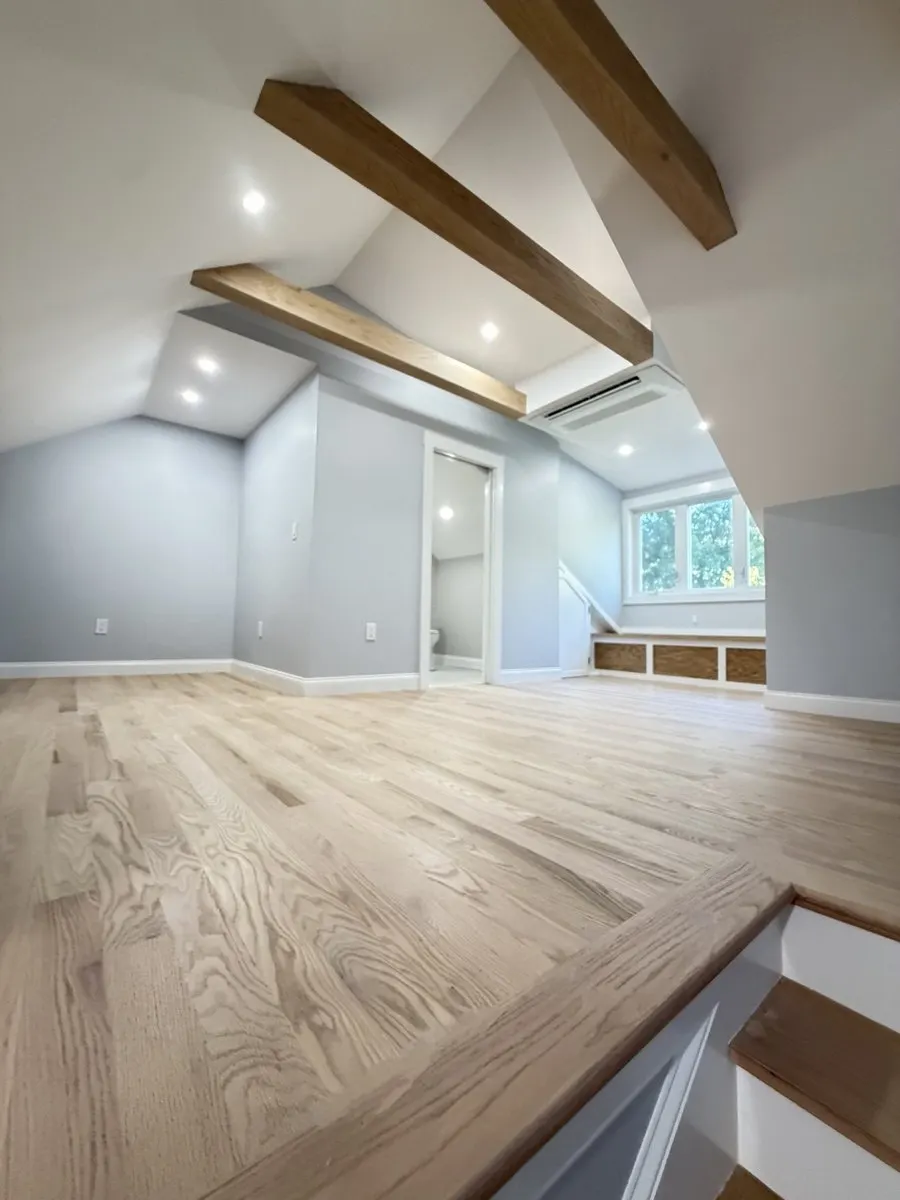 01 SaugusAn attic turned into a living floorAn open attic became a bright floor with a full bathroom, a window seat and a new oak stair.
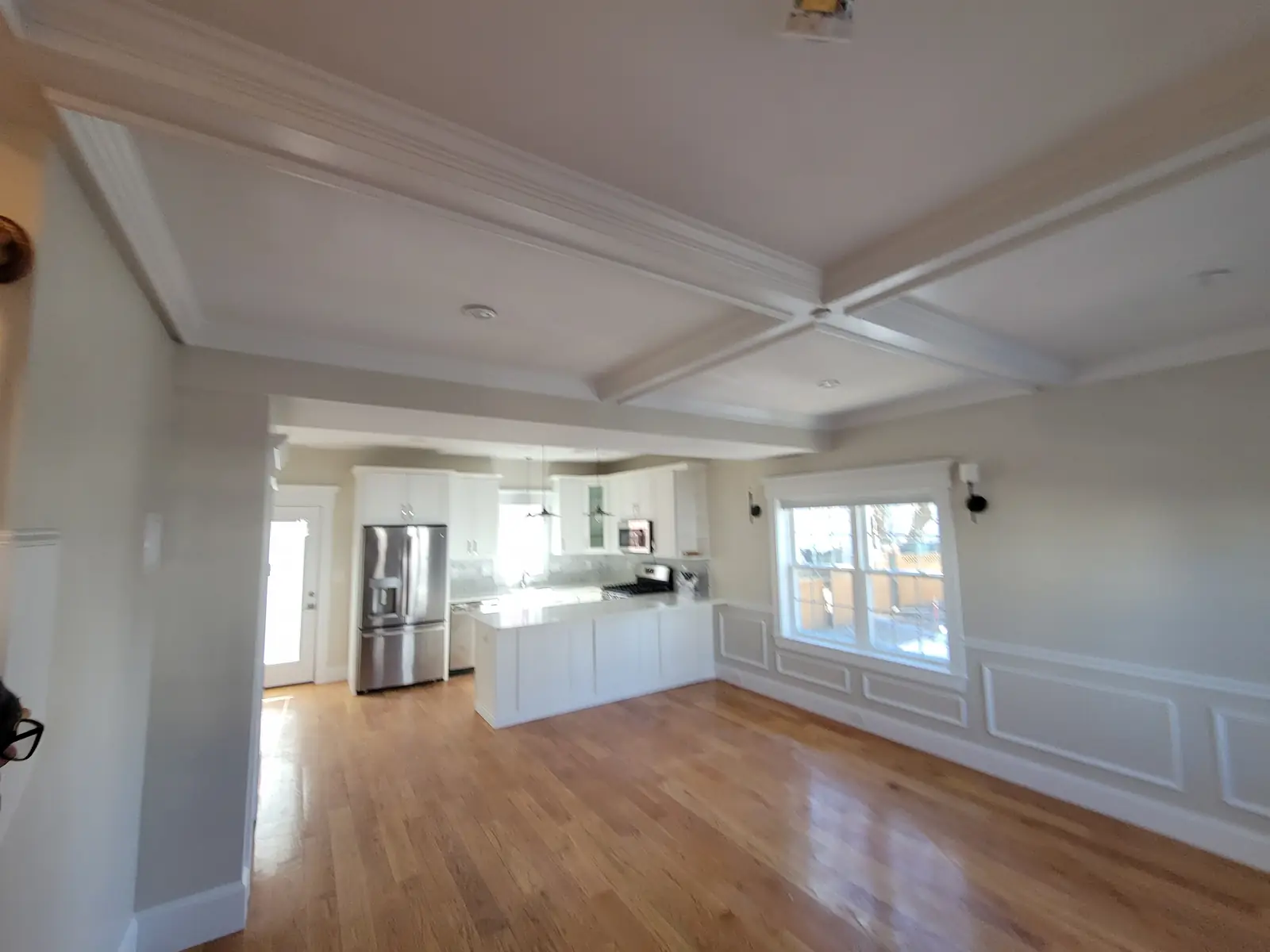 02 SalemA whole house in Salem, made newThree floors, two bathrooms, a new kitchen, new stairs and oak floors everywhere. One crew, one schedule, one number to call.
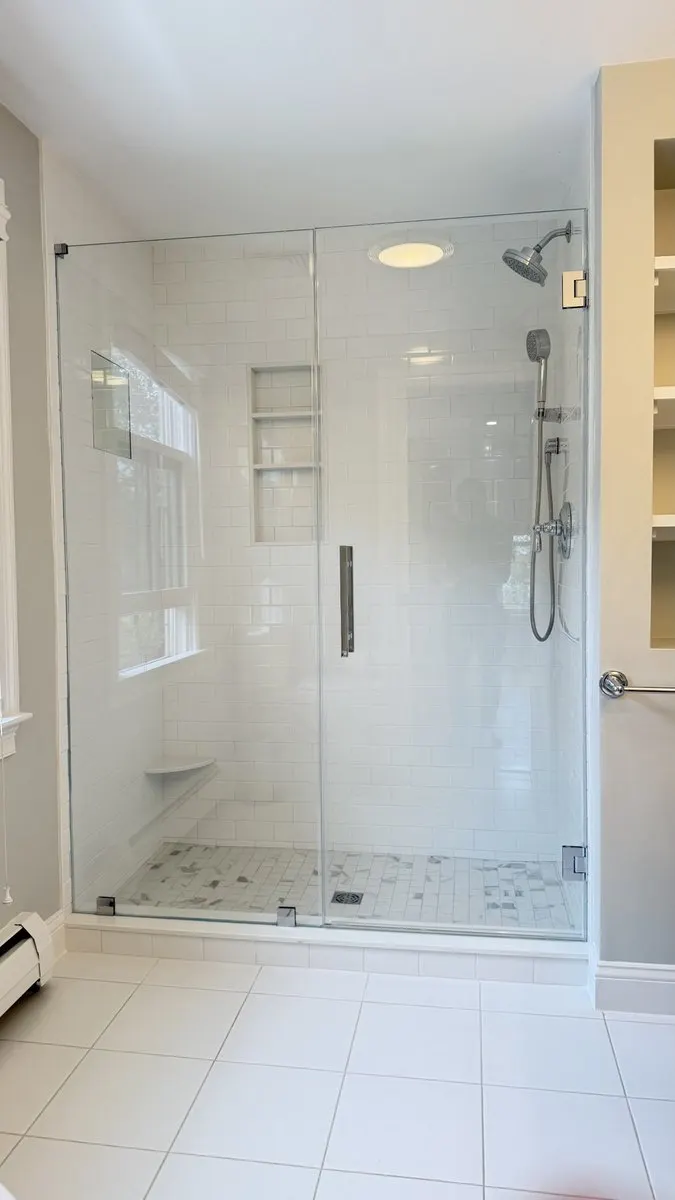 03 Manchester-by-the-SeaA walk-in shower in Manchester-by-the-SeaAn old tub alcove taken to the studs and built back as a walk-in shower with a glass door, a mosaic floor and two niches.
