- Bathroom RemodelingTubs, vanities, tile and fixtures
- Showers & Glass DoorsWalk-in showers, benches and glass doors
- Niches & Accent TileShower niches, mosaics and borders
- Kitchen RemodelingBacksplashes, floors and full kitchens
- Tile FloorsKitchens, baths, entries and patterns
- Custom Tile WorkPatterns, borders and one-off details
- PaintingWalls, ceilings, trim and doors
- CarpentryTrim, doors, framing and built-ins
- Full RemodelsEvery room, start to finish
- Outdoor PatiosStone and tile patios
Can you tile over existing tile.
When it works, when it does not, and what to check before anyone mixes mortar.
Updated November 2026. The sources are at the end of the page.
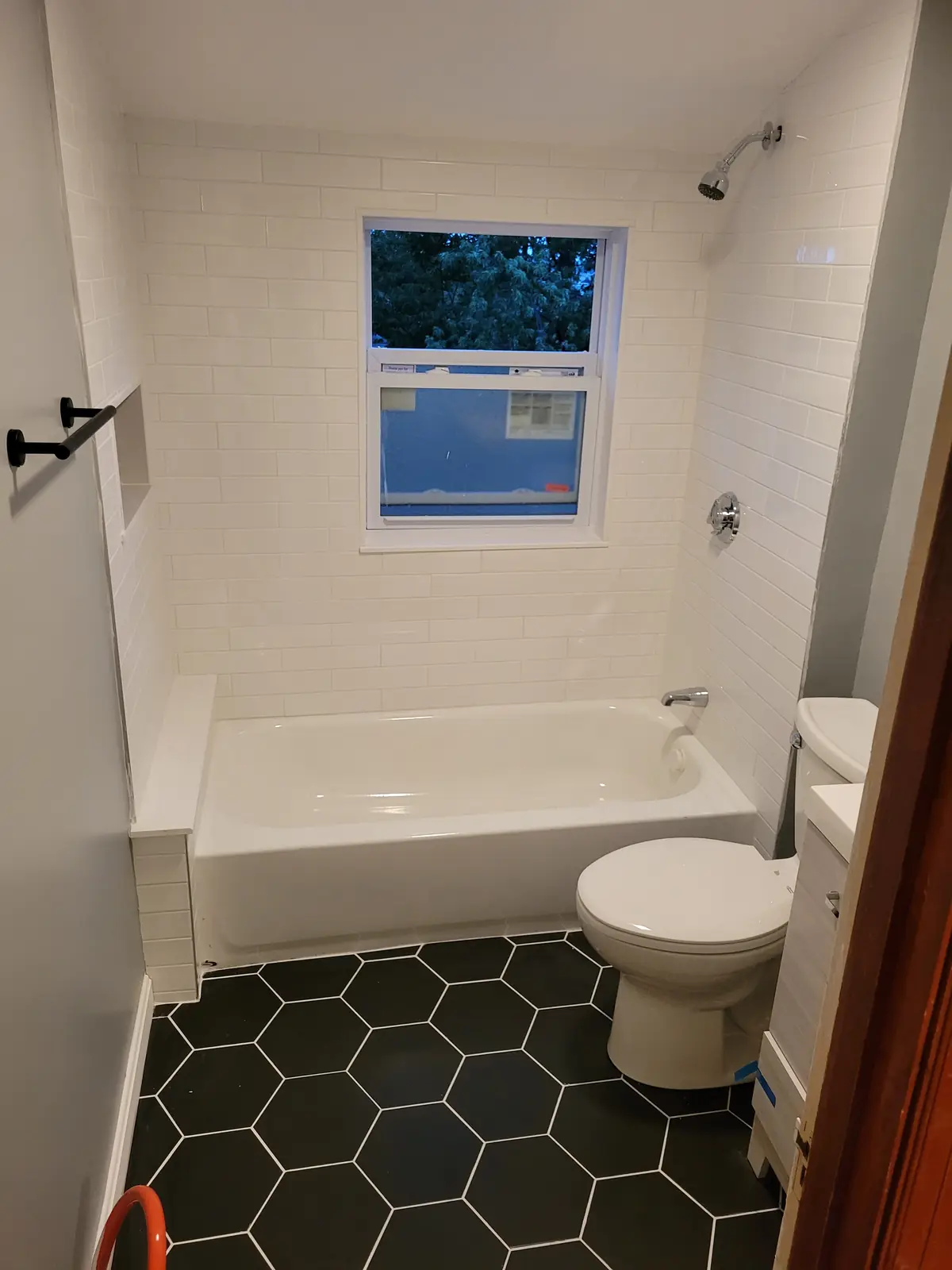
The short answer
Sometimes, over sound tile. Not in a shower..
Yes, in the right place. The Tile Council of North America (TCNA) says tiling over existing tile is done regularly where floor height and wall thickness are not a problem, and the old tile is well bonded. The surface has to be clean, the mortar has to be one that bonds to tile, or the tile gets a bonding primer, and sometimes the old glaze must be roughened. A bond test decides.
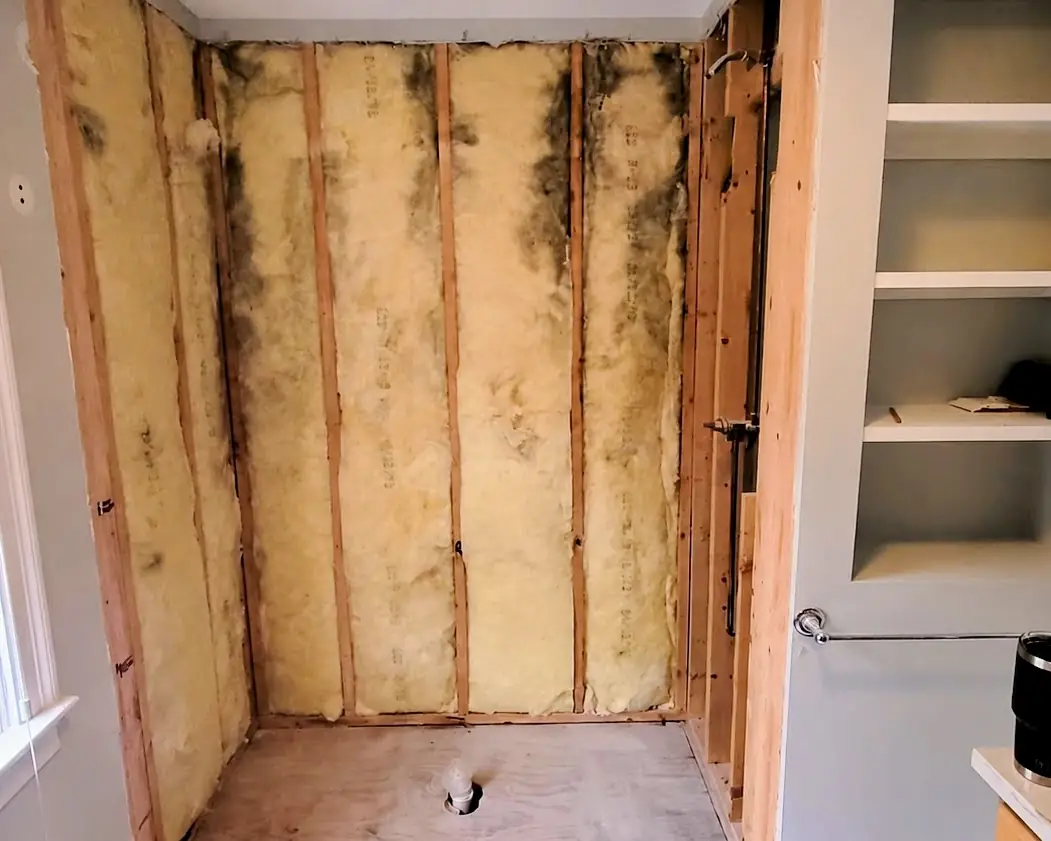
It does not work over loose or hollow tile, cracked tile, water damage or mold. And we do not recommend it inside a shower: none of the industry and manufacturer guidance we checked gives a method for it, and new tile can only be as watertight as the waterproofing behind the old tile, which nobody can see without opening the wall.
When it can work
A sound, well bonded surface.
A good candidate is a floor in a dry room or a kitchen backsplash where the old tile is tight, flat and uncracked, and there is room for the extra thickness. TCNA points to the renovation methods in its Handbook (TR712 and TR713) and adds three warnings:
- Not every mortar bonds to tile. That includes some polymer modified thinsets. Use what the mortar maker recommends for the job.
- The glaze may need to be roughened. In some cases the old tile has to be mechanically abraded, and a bond test is usually how that is decided.
- Grinding makes dust. Abrading tile can release fine particles that harm you if inhaled, so TCNA advises a mineral analysis of the tile and glaze first and the right protective gear.
Bonding primers are the other route. Custom Building Products lists glazed or smooth porcelain and ceramic tile as a surface for its MBP primer, on the condition that the old finish is well bonded and the surface is sound, clean, dry and free of grease, sealers and other bond breakers. Its data sheet also says not to subject it to prolonged water immersion. MAPEI makes a similar primer, ECO Prim Grip, to improve mortar adhesion to existing ceramic tile.
When it does not
Loose tile, cracks, water and mold.
- Loose or hollow tile. TCNA says a floor can sound hollow even when it is bonded, but losing bond can lead to cracking. Its listed causes include missing movement joints, poor thinset, moisture damage and a floor that flexes too much. A repair that does not fix the cause may not last, and new tile on top inherits the problem.
- Cracks. A crack in the old tile often comes from below. TCNA reminds installers that the entire substrate under the tile matters, not only the layer the new tile bonds to.
- Water damage. Soft spots, stains on the ceiling below, loose tile near a tub or toilet. The wet layer has to come out and dry, not be covered.
- Mold. The EPA says the key to mold control is moisture control: clean up the mold and fix the water problem, and do not paint or caulk over moldy surfaces. Tiling over them is the same mistake.
Showers
Why we open a shower instead of covering it.
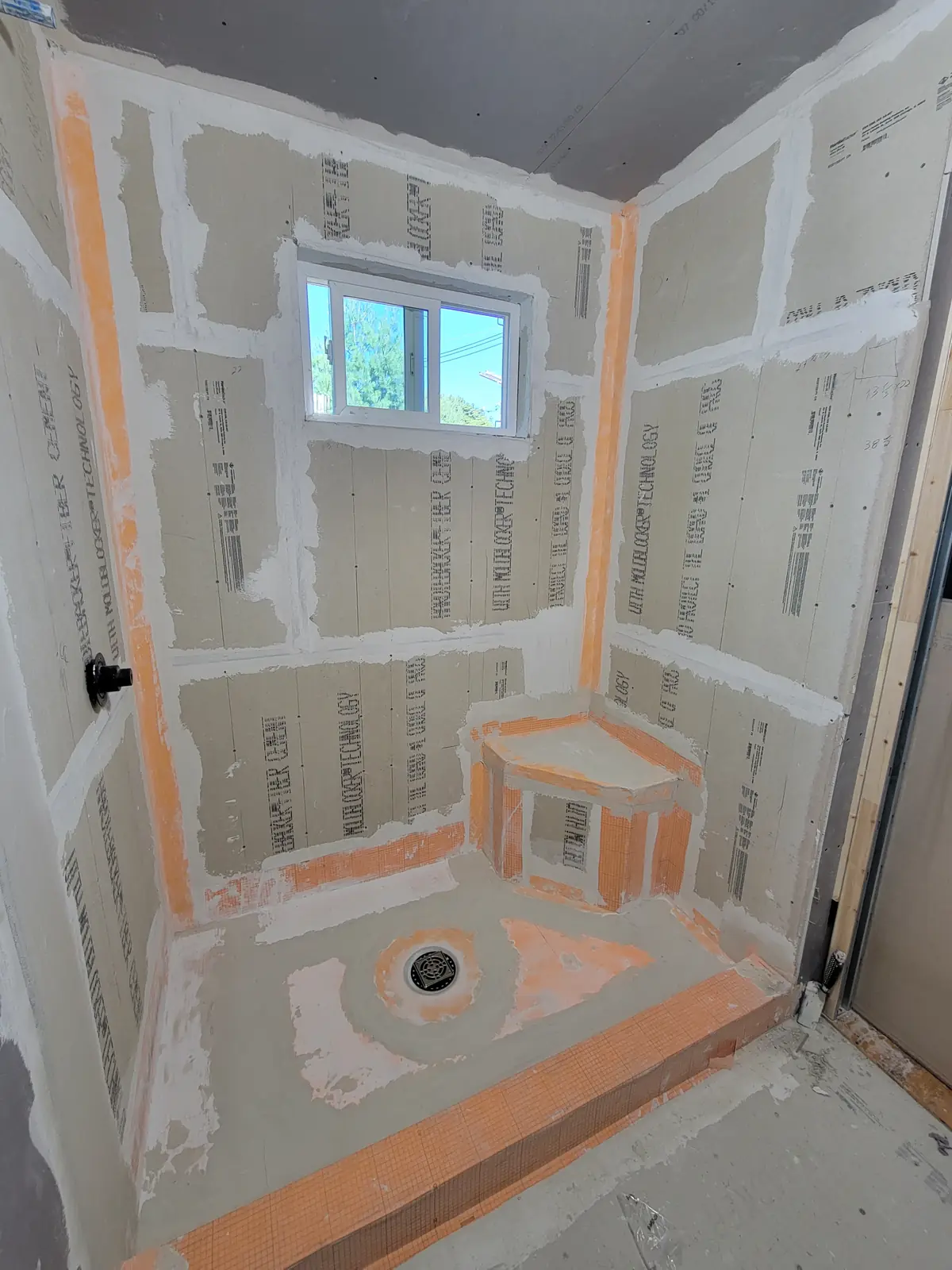
In the TCNA shower methods, a waterproof membrane covers the backing under the entire tiled area. Behind an old shower you cannot confirm any of it: whether there is a membrane, what the backing is, or whether the wall is already wet. Even the backing is a question. TCNA notes that the building code is ambiguous about drywall in wet areas: some read it as barring drywall from wet areas entirely, even under a membrane, and TCNA tells homeowners to check with the local code official.
Tile set over that wall depends on whatever is in it. If it leaks later, there are two layers to tear out instead of one. So on a shower, the honest answer is to take it down to the studs, look, fix what is there and build it with a new membrane. On our jobs a shower on its own takes one to three weeks, and a full bathroom three to six.
Height
Every layer raises the floor.
New tile and its mortar go on top of the old ones, and everything around the floor has to fit the new height:
- Doors. Doors that swing over the floor may need to be cut down to clear it.
- Transitions. Where the new floor meets a hall or another room, there will be a step up or a threshold.
- The toilet. Oatey, the flange maker, says the toilet flange should sit on top of the finished floor. A flange below the floor cannot compress the wax ring and leads to leaks, so it needs spacers or an extension.
- Kitchens. A dishwasher between cabinets can end up trapped by a higher floor.
- Walls. Wall tile over wall tile moves the surface out, past outlets, switches, the shower valve trim and the door and window casing.
That is why TCNA ties tile over tile to places "where there is not a floor height or wall thickness limitation."
Weight
The floor under the floor.
A second layer of tile and mortar adds weight to the same framing. TCNA says the entire substrate below the tile is important, and the subfloor under a tile floor must deflect less than the industry standard L/360 criterion. In an older house with long joist spans or old repairs, that is worth checking before adding a layer, not after a grout line cracks.
What we check first
Before anyone decides.
- A tap test. Tap every tile and listen for hollow spots. One or two loose tiles can be a repair. Many mean the bond is failing.
- Cracks and grout. Cracks that run across several tiles point to movement below.
- Moisture. Stains, soft spots and the area around the tub, shower and toilet.
- Heights. Doors, the toilet flange, appliances and the rooms next door.
- Flatness, if the new tile is large. For tile with an edge over 15 inches, the ANSI tolerance is 1/8 inch in 10 feet.
- The old layers. Old adhesives can contain asbestos fibers, and Custom Building Products warns against sanding or grinding them.
Sometimes the right answer is smaller than a new floor. We do small repairs as well as full remodels, including replacing tiles and regrouting, and the quote visit is normally free.
Questions
What homeowners ask about tiling over tile.
Can you tile over tile on a bathroom floor?
Often, if the old tile is well bonded, flat and uncracked, there is no water damage, and the extra height works at the door and the toilet. The mortar has to be one that bonds to tile, or the surface gets a bonding primer, and a bond test decides whether the glaze must be roughened.
Can you tile over tile in a shower?
We do not recommend it. You cannot see whether there is a working membrane or what the backing is behind the old tile, and none of the industry or manufacturer guidance we checked gives a method for tiling over old shower tile. The reliable fix is to open the shower, check the wall and build it with a new membrane.
Can you tile over drywall?
In dry areas, such as a kitchen backsplash, tile over sound drywall is common, and Custom Building Products lists well adhered flat and semigloss painted surfaces in interior dry areas for its bonding primer. In a shower it is different: TCNA says the code is ambiguous about drywall in wet areas, and tells homeowners to check with the local code official.
Do I need a permit to tile over tile in Massachusetts?
Not for the tile. The Massachusetts building code exempts tiling and similar finish work from a building permit. If the job also moves plumbing or wiring, those trades need their own permits.
Is it cheaper to tile over the old tile?
It skips the demolition, but it adds prep, a bonding product and the height fixes at doors, the toilet and transitions. If the old tile was failing, the new floor fails with it, and then there are two layers to remove.
Can I just fix a few loose tiles or regrout instead?
Often, yes, if the cause is found. TCNA notes that injecting epoxy to rebond tile may work in a small area but is not practical over a large one. We do small tile repairs and regrouting as well as full remodels.
Sources
Where these answers come from.
Official pages first. Rules change: check the source, or ask us at the quote visit.
- 780 CMR 105.2: work exempt from a building permit (Massachusetts State Building Code)
- U.S. EPA, a brief guide to mold, moisture and your home
- TCNA, FAQ: existing ceramic tile
- TCNA, FAQ: hollow or loose tile
- TCNA, FAQ: tile over other flooring
- TCNA, FAQ: showers
- Custom Building Products, MBP Multi-Surface Bonding Primer, data sheet TDS-258
- MAPEI, ECO Prim Grip bond-promoting primer
- Oatey, how to install a toilet flange
- Custom Building Products, large format tile (technical paper)
Last checked November 2026.
Keep going
Keep reading.
Costs, the service itself and the other guides.
Let’s build it.
Tell us about the job. We answer right away and book the visit.
Tell us about the job. We answer right away and book the visit.
Let’s build it.
Let’s build it.
Let’s build it.
Let’s build it.
Let’s build it.
Tell us about the job. We answer right away and book the visit.
Projects
Start to finish.
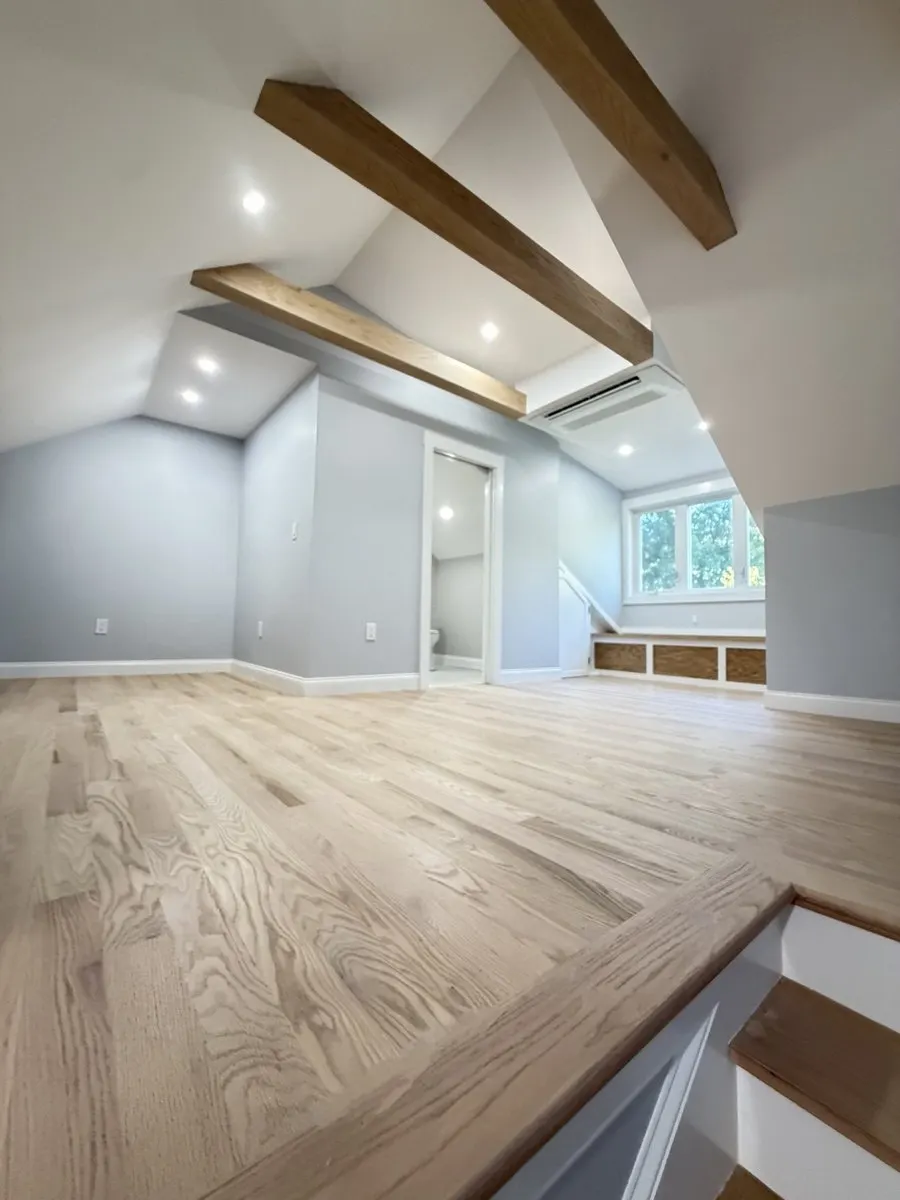 01 SaugusAn attic turned into a living floorAn open attic became a bright floor with a full bathroom, a window seat and a new oak stair.
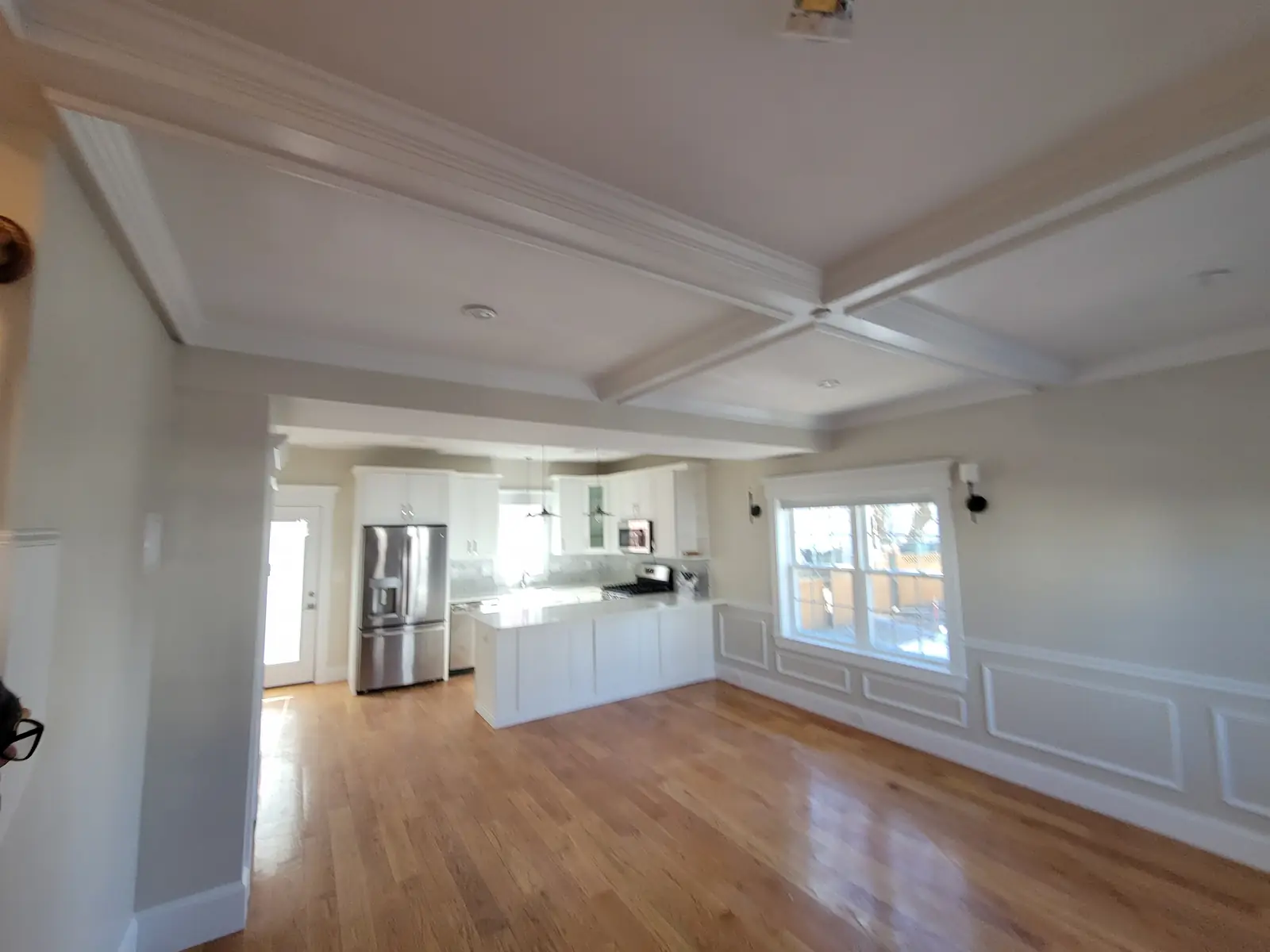 02 SalemA whole house in Salem, made newThree floors, two bathrooms, a new kitchen, new stairs and oak floors everywhere. One crew, one schedule, one number to call.
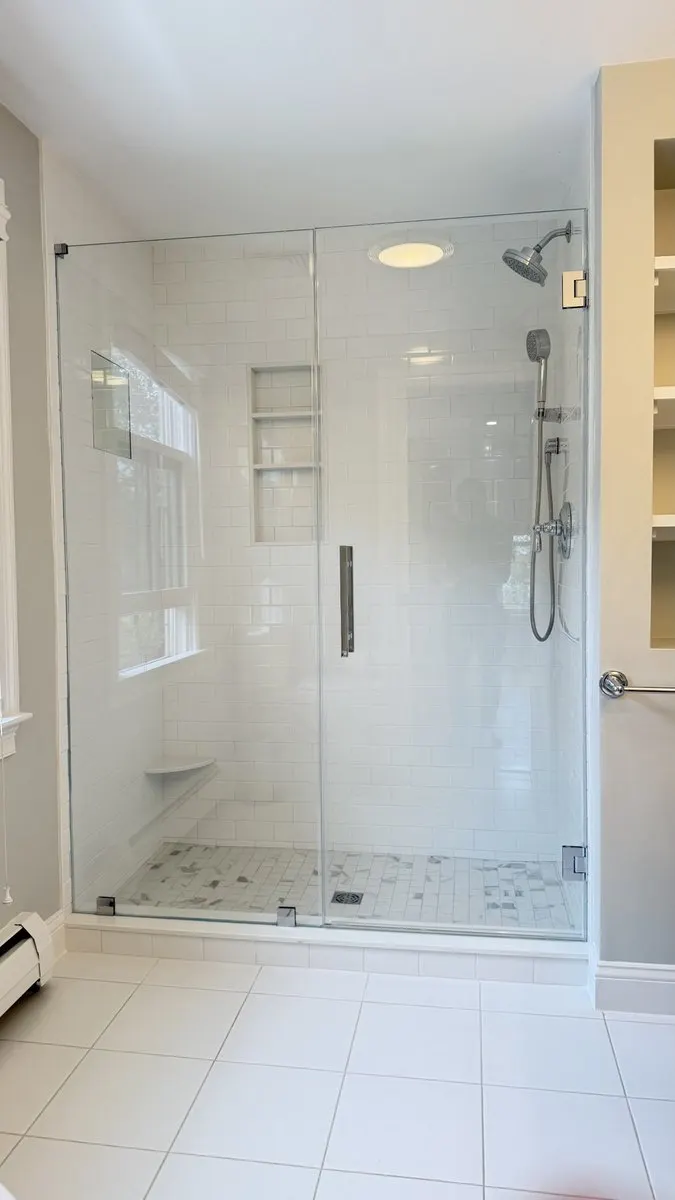 03 Manchester-by-the-SeaA walk-in shower in Manchester-by-the-SeaAn old tub alcove taken to the studs and built back as a walk-in shower with a glass door, a mosaic floor and two niches.
